
The Covenanters
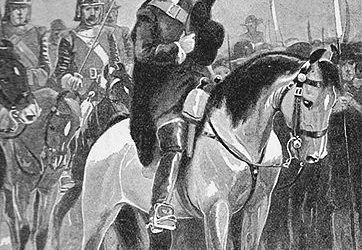
The Killing Times: Revd Richard Cameron (1648-1680)
Revd Richard Cameron was either the most loved, or most hated man in Scotland in 1680. He was hailed as a martyr and the Lion of the Covenant by the stalwart covenanting militia in their struggle for freedom; but by the Royalists, Episcopalians and moderate...
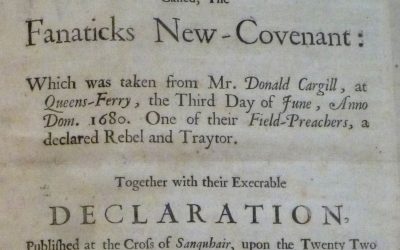
The Killing Times: Revd Donald Cargill
On the River Ericht, just upstream from Blairgowrie, lies a stunning gorge. This scenery, famous as a beauty spot in Scotland, once witnessed a minister fleeing for his life in 1679 from the dragoons of King Charles II. As the soldiers came in hot pursuit, Revd Donald...
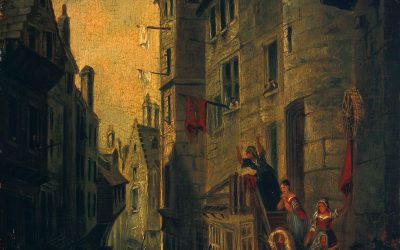
The Killing Times: Revd James Renwick
On a cold, dreary day in Edinburgh’s Grassmarket, a 26-year-old pastor was led by the soldiers to the hangman’s gallows. It was 17 February, 1688, and he would be the last martyr for the Covenanters’ cause. In less than a year, freedom would finally come for them, but...
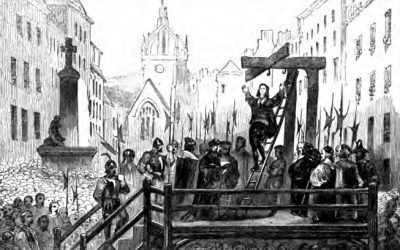
The Killing Times: Hugh McKail
Seldom has Edinburgh’s Royal Mile witnessed such an open display of weeping by so many. Large crowds had gathered at Mercat Cross near St Giles and the window places along that section of the street were packed. A young man was being roughly dragged up to the scaffold...
The Killing Times: Lord Warriston, Archibald Johnston
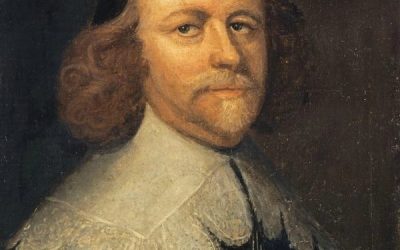
Down in Edinburgh’s Grassmarket, a plaque records the 110 Covenanters who were executed by hanging there, and elsewhere in the city, between 1661 and 1688. The third entry simply says, ’22 July 1663, Archibald Johnston, Lord Warriston, Architect of the National...
The Killing Times: Revd James Guthrie
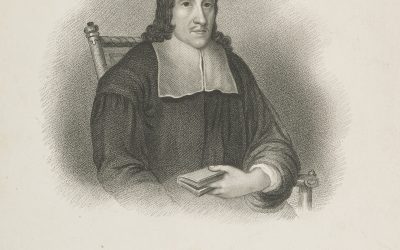
With the Marquis of Argyll removed, as the leading nobleman among the Covenanters, it was now time to purge the clergy. The biggest thorn in Charles II’s side was Revd James Guthrie of Stirling. When Cromwell’s army had defeated the Covenanters at Dunbar, the disaster...
The Killing Time: Archibald Campbell, the Marquis of Argyll
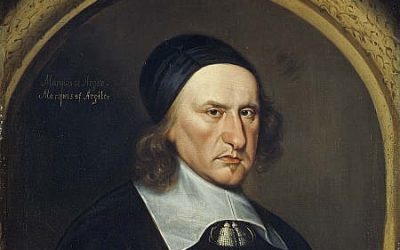
With all the niceties settled at the coronation, it was time for King Charles II to reveal his true nature. One of the few nobles to oppose the king’s decree and stand faithfully for the Covenants was Archibald Campbell, the first Marquis of Argyll. He travelled from...
The Drunken Parliament
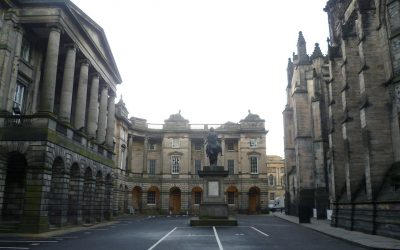
With Charles II tightly enthroned as king, we next see the autocratic nature of this man of duplicity. The Earl of Middleton, acting as the king’s commissioner, called together the Scottish Parliament, which met opposite St Giles in the Parliament building which had...
Return of the King (1660)
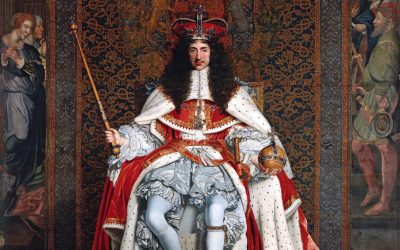
When Charles II was crowned as King of Scotland at Scone on 1 January 1651, he outwardly swore an oath to protect and serve the national Presbyterian Church, but just as with his signing of the Solemn League and Covenant in 1650, he was committing perjury of the...
Scotland under Cromwell
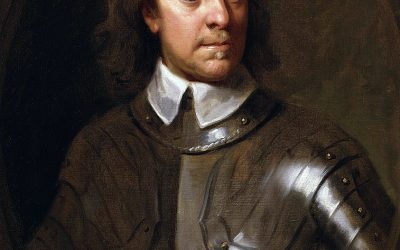
With Cromwell’s defeat of the covenanting army at the battle of Worcester, the final military resistance was crushed in Scotland. The church itself was divided into the Resolutioners and Protesters, between the compromisers and those who stood fast to the covenants....
Scotland Falls to Cromwell
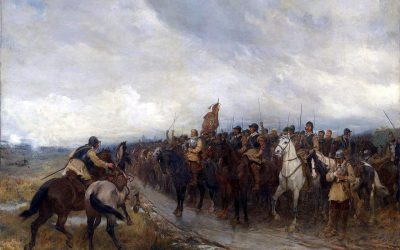
The battle of Dunbar on 3 September 1650, must go down as one of Scotland’s greatest disasters in history. After Charles II had signed the Solemn League and Covenant months before in May, the Scottish Parliament prepared its army to support the king’s cause to enable...
Scotland’s Great Sin (1650)
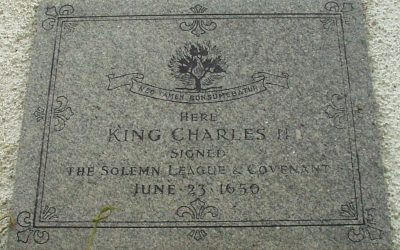
‘In the year 1650… we did sinfully both entangle and engage the nation and ourselves, and that poor young prince to whom we were sent,’ wrote Alexander Jaffray in his diary, ‘making him sign and swear a Covenant, which we knew, from clear and demonstratable reasons,...