
The Reformation
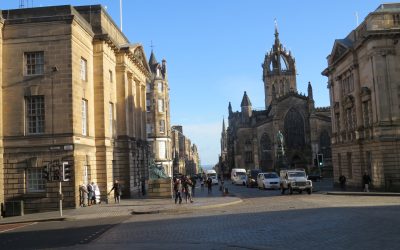
The Reformation Revival of 1596
You would have thought that the fire of the Reformation would have burnt a long time, but just 36 years later, after most of the leaders had died, the flames had been reduced to glowing embers. We read of a ‘spreading moral desolation over the land’ with the...
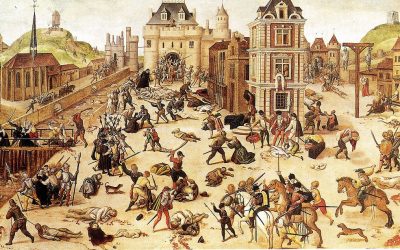
Saved from Tyranny?
In popular books and films Mary, Queen of Scots, is usually depicted as the beautiful, innocent young woman, who is pitched against John Knox, the grumpy old religious bigot. It has become a caricature moulded by myth. Certainly, Mary was beautiful and full of charm...
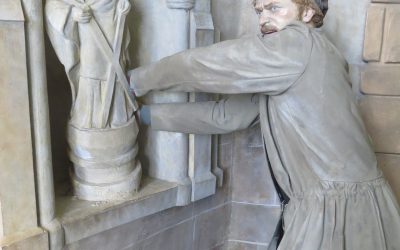
Were the Scottish Reformers Extremists?
It is fashionable in our comfortable age to verbally attack the Scottish reformers, accusing them of being fanatics, or extremists, akin to the Islamic State. But were they really? David Hume, the celebrated Edinburgh sceptical philosopher of the Enlightenment, once...
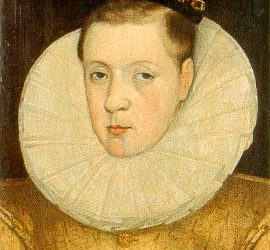
The King’s Confession, 1580-1
Although Romanism had been banished from Protestant Scotland, it would be naïve to say that there was no threat of its re-emergence. Despite the watchdogs for the reformed cause being alert, it was said that the Romanists were swarming home to Scotland ‘like locusts’,...
The Presbyterian Church Becomes Established, 1578
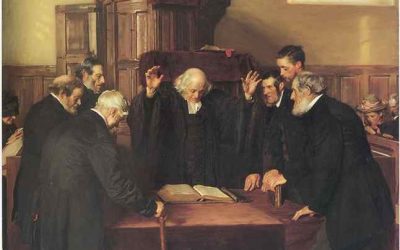
Six years after the death of John Knox, Andrew Melville led the Assembly in Magdalen Chapel in Edinburgh, in 1578. After much discussion the Second Book of Discipline was put together, which focused mostly on reforming the Protestant Church on a proper Presbyterian...
The Scottish Reformation Manifesto
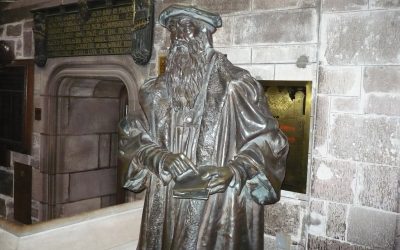
Soon after the Scots Confession had been accepted and the Protestant Church in Scotland had become a reality, a team put together what was known as the First Book of Discipline in 1560. In essence it was the vision or manifesto for the fledgling Protestant Church,...
The Scots Confession of 1560
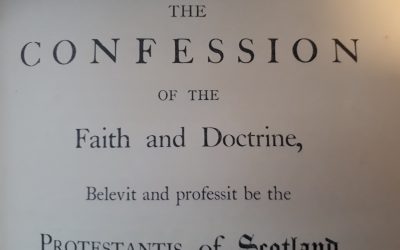
In the aftermath of the French and English leaving Leith near Edinburgh, the Protestant movement in Scotland became a reality. One of the first steps Parliament took in 1560 was to commission some leading ministers to put together a document outlining the Protestant...
John Craig (c.1512 – 1600), Preserved for Purpose
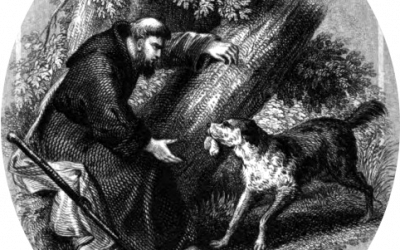
For nine months John Craig had been imprisoned in his cell in the Palazzo dell’ Inquisizone in Rome. At times the River Tiber burst its bank and the water poured into the filthy jail, keeping him awake as it came up to his waist. He was on trial for being a heretic,...
John Row, the Pope’s Reporter who became Knox’s Scholar Friend
These days it is popular for history revisionists to degrade the reformers to that of being a bunch of fanatics who were ignorant and unsophisticated. Such an accusation is typical of our age, but backed up by little evidence. Perhaps if they had been brought quietly...
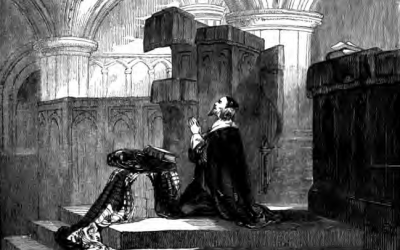
John Welsh of Ayr (c.1570-1622), the Persecuted Peacemaker
On 18th December 1596, a passionate preacher thundered from the pulpit in St Giles’, Edinburgh. The thrust of his message was aimed at King James VI’s interference in the church, for the king preferred the concept of the ‘Divine Right’, of being head of the church,...
Christopher Goodman (c.1519-1603), John Knox’s Best Friend
When Mary Tudor ascended to the English throne in 1553, after the death of Edward VI, she was driven by the desire to reverse all of the Protestant activity of her teenage step-brother, and bring the nation full throttle back to Rome. Within a few years she was...
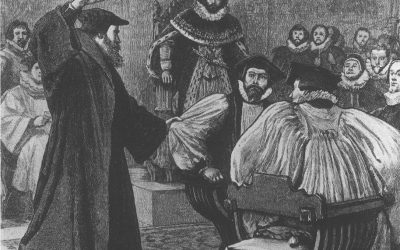
Andrew Melville, The Outspoken Reformer (1545-1622)
In 1596 a delegation sought a private audience with King James VI. Despite their polite warning of the dangers of allowing avowed Romanist subversives back into Scotland, the king interrupted them, accusing the delegates of sedition. At this point Andrew Melville took...